
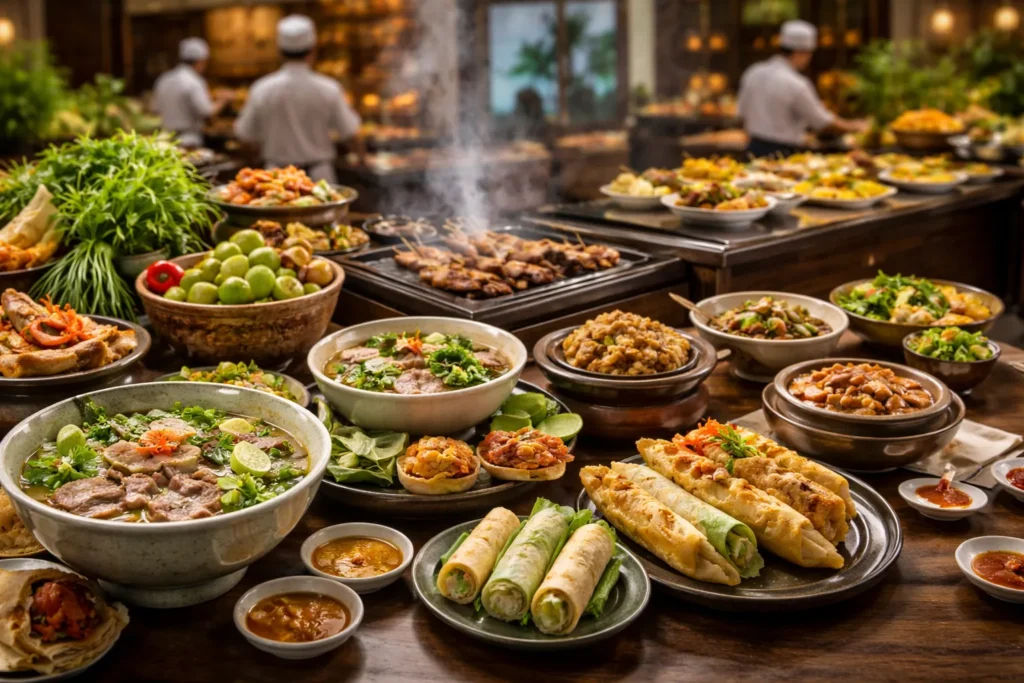
Walking into a place called Saigon Kitchen can feel like stepping into two worlds at once. Sometimes it’s a Vietnamese restaurant with pho simmering in the back and fresh herbs on every table. Other times, it’s a polished hotel dining room where a buffet spreads out like a mini food market.
Here’s the thing. The name gets used in different cities and different concepts, so you can end up reading the right reviews for the wrong place. I’ve helped design kitchens that cook Vietnamese food the way it’s actually cooked at home in Saigon, and I’ve learned one lesson the hard way: context matters. The heat, the humidity, the herbs, the broth, the workflow, it all shapes what ends up on the plate.
This guide will help you quickly figure out which Saigon Kitchen you mean, what you can expect when you arrive, and how to order in a way that feels confident and simple.
Snippet-ready definition:
A Saigon kitchen is designed for hot, humid weather and everyday Vietnamese cooking, with strong ventilation, quick prep zones, smart herb storage, and an efficient flow for broths, grills, and fresh dishes.
Which Saigon Kitchen are you looking for?
The name Saigon Kitchen shows up in multiple locations around the world. The vibe, pricing, and even the menu style can be totally different depending on whether it’s a hotel restaurant in Ho Chi Minh City or a local Vietnamese spot in another city.
A practical way to tell is to check the address and the menu format. If you see buffet timings, it’s usually the hotel style. If you see a classic list of pho, banh mi, vermicelli bowls, and rice plates, you’re likely looking at a casual Vietnamese restaurant.
Saigon Kitchen in Ho Chi Minh City at Hôtel des Arts Saigon
This version is known for a curated buffet experience. It’s the kind of place where presentation and variety matter as much as flavor. You’ll often see clear meal periods and specific buffet themes, like lunch and dinner formats.
If you enjoy trying many dishes in one sitting, this style can be a great fit. It’s also a smart choice when you’re traveling with a group where everyone wants something different.
Saigon Kitchen in your city as a Vietnamese restaurant
Many Saigon Kitchen locations outside Vietnam lean into everyday Vietnamese comfort food. Think pho, spring rolls, grilled meats, rice noodles, and drinks that feel familiar if you grew up around Vietnamese cooking.
These places are usually more flexible. You can go quick for lunch, do takeout easily, and build a meal around one signature dish instead of sampling a whole spread.
Quick Guide Table (Comparison)
| What you mean by “Saigon Kitchen” | Best for | What to expect | Smart tip |
| Hotel-style Saigon Kitchen (Ho Chi Minh City, Hôtel des Arts) | Variety and a full dining experience | Structured buffet meals (breakfast, lunch, themed dinner) with set timings and pricing | Do a quick first lap, then start light (salads, seafood, herbs), go heavier after |
| Local “Saigon Kitchen” restaurant (your city) | Comfort food, casual meals, takeout | Vietnamese staples: pho, banh mi, spring rolls, vermicelli bowls, rice plates | Order 1 main each + 1 shared starter so the table stays simple |
| Saigon-style home kitchen (design concept) | Cooking Vietnamese food at home | Ventilation-first layout, heat and moisture control, fast workflow | Keep herbs high and dry, store sauces in an easy-grab zone near prep |
Step-by-step: Order like you know what you’re doing
- Decide your main: pho for comfort, vermicelli bowl for fresh-light, rice plate for no-fuss.
- Add one shared starter: fresh spring rolls or fried egg rolls.
- Adjust at the table: lime, herbs, and chili on the side first.
- For takeout: choose items that travel well (pho with broth separated, rice plates, vermicelli bowls).
Saigon Kitchen at Hôtel des Arts Saigon: what the experience is like
Hotel dining in Saigon has its own rhythm. It’s polished, but it often borrows from street food energy, especially when the kitchen is open and you can see the action. On top of that, a buffet in Ho Chi Minh City can be a real event, not just a meal. Locals and travelers both love the variety.
From a designer’s perspective, a hotel buffet kitchen is built for volume and speed. You’ll notice stations that keep food moving: carving, noodles, grills, chilled seafood, desserts. That setup matters because it helps dishes stay fresh even when the room gets busy.
You’ll also feel the climate influence. Saigon is hot and humid, so cold items and fresh herbs tend to shine. A crisp salad, chilled seafood, or a plate balanced with lime and herbs can feel especially satisfying in the middle of the day.
Buffet options and what’s served when
Most hotel-style Saigon Kitchen setups split service into clear blocks, often breakfast buffet, buffet lunch, and a themed buffet dinner. The exact theme can vary by day, and dinner is often the most “special,” especially when seafood or premium cuts are featured.
If you want a calmer experience, lunch is usually easier to navigate. Dinner can be lively and fun, but it can also feel busy. If you’re the type who likes to take your time and try things slowly, arriving earlier helps.
A simple buffet strategy that works almost anywhere is this:
- Start with a lap to see what’s available
- Pick one light plate first, then go for heavier items
- Save desserts until the end, even if they look amazing
It sounds basic, but it stops you from filling up too early and missing the best stuff.
Saigon Kitchen story and authenticity signals
A lot of restaurants say “authentic,” but I prefer to look for small signs that the food is cooked with real Vietnamese instincts. One sign is balance. Vietnamese food is rarely just salty or just spicy. It’s often salty, sour, sweet, and fresh all at once.
Another sign is how they treat herbs and condiments. A good Vietnamese kitchen respects the table setup. Fresh basil, culantro, mint, lime wedges, chili, and sauces aren’t an afterthought. They’re part of the dish.
And here’s a detail many people miss. Vietnamese cooking is built around airflow and freshness. In Saigon homes, kitchens are designed to move heat out fast. You’ll often see strong ventilation, open windows, and compact layouts that keep cooking efficient. That same mindset shows up in restaurants that cook well. The food tastes cleaner, not heavy.
What authentic Vietnamese usually means on these menus
Authentic doesn’t mean fancy. It usually means the core techniques are right.
For example:
- Pho broth tastes clear, not greasy, and has a gentle sweetness from long simmering
- Grilled meats smell like lemongrass, garlic, and char, not just soy sauce
- Dipping sauces taste bright, often with lime and a light sweetness
If a place nails those basics, you’re in good hands.
Saigon Kitchen menu overview: what you’ll typically find
Even though different locations vary, Vietnamese menus tend to have familiar anchors. Once you recognize them, ordering becomes easy, and you can stop overthinking it.
You’ll usually see a mix of noodle soups, rice noodle bowls, rice plates, and a small set of starters. Drinks are often simple but memorable, like Vietnamese iced coffee or fresh juices.
Vietnamese classics most people love
Pho is the headliner for a reason. It’s comforting, filling, and forgiving. If you’re unsure, a beef pho or chicken pho is a safe and satisfying start. Vegetarian pho can be excellent too, especially when the broth is built with roasted vegetables and aromatics.
Banh mi is another classic, especially for lunch. A good banh mi hits you with crunch first, then freshness. You’ll notice the pickled vegetables and herbs balancing the savory meat.
Spring rolls come in two main personalities. Fresh rice paper rolls feel light and herbal. Fried rolls are crisp and richer. If you’re sharing, it’s smart to order one of each and see what you prefer.
Vermicelli bowls are a personal favorite because they fit hot weather so well. In Saigon kitchens, we build meals that feel refreshing, not sleepy. A vermicelli bowl with grilled meat, herbs, and a light fish-sauce dressing is exactly that.
Rice plates and grilled meats are the “no drama” option. They travel well for takeout, and they’re easy to customize.
What to order on your first visit: a simple shortlist
Guess what. You don’t need to order perfectly to have a great meal. Vietnamese food is flexible. But a good first order can help you learn the flavor profile fast.
If you want something comforting and full:
- Pho with your preferred protein, plus a side of fresh rolls
If you want something light and fresh:
- Vermicelli bowl with grilled meat or tofu
- Fresh spring rolls with a peanut or fish-sauce dip
If you want something crunchy and snacky:
- Fried egg rolls
- Any crispy appetizer option that comes with dipping sauce
The best part is you can mix these without making the table feel crowded. One soup, one starter, one bowl or rice plate is usually the sweet spot for two people.
If you like spicy
Vietnamese food can be spicy, but it’s often “custom spicy.” That means the heat comes from chili on the side, chili oil, or added sauce, not always cooked into the dish.
A simple approach is to ask for chili on the side, then build up slowly. This keeps your broth or sauce balanced, and you still get that kick when you want it.
Prices, portion sizes, and value: what to expect
Pricing depends heavily on what kind of Saigon Kitchen it is. A hotel buffet is priced like an experience, with variety and premium items baked in. A casual Vietnamese restaurant is often about value, where one main dish can be a full meal.
Portions also vary by dish style. Pho portions can look modest at first, but it’s surprisingly filling once you add herbs, lime, and sauces. Vermicelli bowls often feel lighter, but they can be big if they’re loaded with grilled meat and toppings.
A practical tip I share with friends is this. If you want the best value:
- Choose one main dish each
- Add one shared starter
- Save drinks for after you see how full you are
That small strategy prevents over-ordering, especially if you’re new to the menu.
Reservations vs walk-ins: how to plan your visit
Some Saigon Kitchen locations are casual and easy, and you can walk right in. Others run busy during dinner or weekends, especially if they’re popular locally or tied to a hotel setting.
If online booking is offered, it’s usually worth using. It reduces waiting and helps you choose a better time slot. For hotel buffet dining, reservations can be even more useful because seating and service flow matter.
Best times to go to avoid waiting
If you prefer a quieter meal, earlier is often better. Lunch can be a hidden gem because the kitchen is in a steady rhythm and tables turn a bit faster.
A simple timing rule:
- Weekday lunch is often the calmest
- Weekend dinner is often the busiest
If you’re going with family or a group, reserving ahead saves everyone’s mood. Nobody enjoys standing around hungry.
Hours, location, parking, and contact details: verify fast
Here’s a small truth that saves time. Listing sites and social profiles sometimes show old hours, especially after holidays or staffing changes. The most reliable source is usually the official website or the restaurant’s direct booking page.
Before you go, it helps to confirm:
- Opening hours
- Holiday closures
- Parking situation
- Whether takeout or delivery is available
If you’re visiting a hotel location, taxis and ride shares tend to be the easiest option. For local restaurants, parking can be the main variable, so it’s worth checking reviews for that detail.
Dietary needs and allergies: what to ask
Vietnamese food can be friendly for many diets, but sauces are where the surprises hide. Fish sauce is common, and peanuts and shellfish can appear in dipping sauces or broths.
Vegetarian options are usually available, and tofu is often an easy swap. For gluten-aware diners, rice noodles are common, which helps, but soy-based sauces and marinades can still contain gluten.
If you have allergies, these questions keep things clear:
- Does the broth contain shellfish or fish sauce?
- Are peanuts used in the sauce or garnish?
- Can the dish be made without sesame or certain oils?
Good kitchens appreciate clear questions. It helps them take care of you properly.
Takeout and delivery tips: what travels well
Vietnamese food can travel beautifully if it’s packed right. In Saigon home kitchens, we often separate wet and dry parts of a meal. Restaurants that do this for takeout usually deliver a better experience.
Pho is the classic example. The best takeout pho comes with broth separate from noodles and toppings. When you assemble it at home, it stays fresh, not soggy.
Vermicelli bowls and rice plates also travel well because the components hold their texture. Crispy items are the trickiest. Fried rolls can soften in a closed container. If you want them crisp, reheat them briefly in an oven or air fryer rather than a microwave.
A simple takeout-friendly order looks like this:
- One pho with separated broth
- One rice plate or vermicelli bowl
- One fresh roll or salad-style side
It’s satisfying and it still tastes like it should.
Ambience, service, and what people love about Saigon Kitchen
Different Saigon Kitchen locations give different moods. Hotel dining tends to feel polished and spacious. Local restaurants often feel warm and familiar, sometimes with simple decor and a focus on fast, friendly service.
From my experience working around Vietnamese kitchens, the vibe usually mirrors the cooking style. If the menu is broth-heavy and herb-forward, you’ll often feel a calm, steady pace. If it’s grill-heavy and busy, the energy can be louder and more social.
One of the nicest parts of Vietnamese dining is how communal it feels. Dishes are easy to share. Sauces sit in the middle. Everyone adjusts flavors to their own taste. That makes it a great option for families and groups.
Helpful mini-guide: Vietnamese menu terms you’ll see
You don’t need to memorize Vietnamese words, but knowing a few helps you order faster and feel more relaxed.
Here are a few common ones:
- Pho: noodle soup with a long-simmered broth
- Banh mi: Vietnamese sandwich, usually on a crisp baguette
- Bun: rice vermicelli noodles, often used in bowls
- Goi cuon: fresh spring rolls in rice paper
- Cha gio: fried spring rolls or egg rolls
- Nuoc cham: classic dipping sauce with a sweet, salty, tangy balance
Once you recognize these, most Vietnamese menus start to feel friendly instead of confusing.
FAQs
1) Is Saigon Kitchen a buffet or a normal restaurant?
It depends on the location. The Ho Chi Minh City Saigon Kitchen at Hôtel des Arts is known for buffet service with specific meal periods.
2) What are Saigon Kitchen opening hours at Hôtel des Arts Saigon?
Breakfast buffet is typically 6:00am–10:30am, lunch 12:00pm–2:00pm, and buffet dinner (Surf and Turf) is often Fri–Sat 6:00pm–10:00pm.
3) Do I need a reservation?
For busy times and hotel dining, reservations are strongly recommended. Many Saigon Kitchen locations also offer online booking.
4) What should I order first if I’m new to Vietnamese food?
Start with pho (comforting and balanced), add fresh spring rolls, and try a vermicelli bowl if you want something lighter with herbs and grilled flavor.
5) Are there vegetarian or allergy-friendly options?
Often yes, but ask about broth ingredients and sauces (fish sauce, peanuts, shellfish can appear). For gluten-aware diners, rice noodles help, but sauces still matter, so confirm before ordering.
Conclusion
A good Saigon Kitchen experience comes down to three simple moves. First, confirm the location so you know whether it’s a buffet-style hotel restaurant or a local Vietnamese menu. Second, order one anchor dish like pho or a vermicelli bowl, then add a shared starter like spring rolls. Third, don’t rush the flavors. Vietnamese food is meant to be adjusted at the table with herbs, lime, and sauces until it tastes perfect to you.
And if you’re thinking about Saigon kitchens beyond restaurants, the same logic applies. Saigon cooking is built for heat and humidity: strong ventilation, quick workflows, fresh herbs, and balanced flavors that feel light even when the meal is filling. When a place gets that right, you can taste it.
Next time you go, keep it simple. Pick one comforting dish, one fresh element, and one crunchy bite. That combination almost never fails, and it makes the whole meal feel like a little trip to Saigon without trying too hard.
Disclaimer:
This guide is for general information and design inspiration. Menu items, prices, buffet timings, and reservation policies vary by location and can change. Always confirm the latest details on the official website or booking page before visiting.

Hi, I’m Bilal, the founder of outofmagazine.com. I love sharing fresh ideas, stories, and helpful insights on all kinds of topics that spark curiosity. My goal with this site is simple—to create a space where readers can find inspiration, useful tips, and engaging reads on lifestyle, trends, and everything in between.