
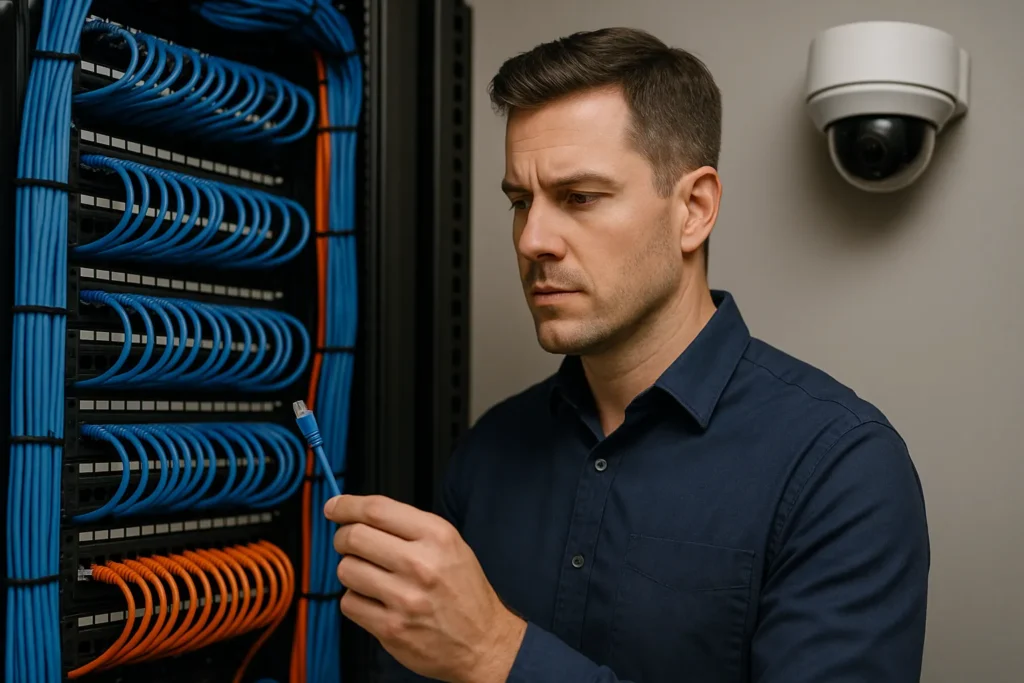
In today’s fast-paced world, security is a priority for both homeowners and businesses. With technological advancements, it’s no longer enough to rely on basic locks and alarms to protect what matters most. Whether you’re safeguarding a home or overseeing a large facility, a solid security system is essential. At the heart of any reliable security infrastructure is the network that supports it. This means that the backbone of your security system is not just the cameras or sensors you install, but the structured cabling that ensures everything operates seamlessly.
Structured cabling is the foundation for any modern security system. Without it, even the most sophisticated cameras and alarms can fail to deliver the performance you need. A strong and organized cabling setup ensures smooth data transmission, high-quality video feeds, and real-time monitoring. The importance of structured cabling cannot be overstated when creating a reliable and scalable security system that adapts to future needs. A company like ADR Security in Manhattan, NY, recognizes the value of a strong infrastructure that powers security technology, offering a comprehensive solution to homes and businesses alike.
The Foundation of Modern Security: Structured Cabling Explained
At its core, structured cabling involves the setup of organized cabling systems that ensure all security devices—whether it’s cameras, sensors, alarms, or access controls—are properly connected and transmitting data effectively. This organized approach ensures that the system operates at peak performance, free from the interference or disruption that could occur with less structured setups.
Unlike simple plug-and-play cameras that depend on wireless or temporary setups, structured cabling provides a stable and reliable framework for all components. Whether you’re setting up a basic CCTV system for a small property or building an extensive security network for a commercial complex, structured cabling guarantees that the system is designed to meet the demands of high-quality surveillance, fast data transfer, and real-time monitoring.
This structured network not only supports current needs but is also scalable for future upgrades. As security technology evolves, from better video resolution to more advanced monitoring tools, structured cabling makes it easier to integrate these new systems without starting from scratch. It’s an investment in long-term, reliable infrastructure, ensuring that your security system remains effective as your needs grow.
In comparison, simpler plug-and-play cameras or ad-hoc cabling often fail to provide the reliability necessary for a secure environment. These systems are prone to interference, whether from physical obstructions or network congestion. A structured cabling system offers much better performance in high-demand environments, making it the only viable choice for ensuring security over time.
For example, systems that rely on basic cabling or wireless connections will experience issues like lagging video feeds or poor image quality during high-demand moments. With a structured system, these issues are mitigated, providing reliable security data when you need it most.
As noted by experts, these problems can be avoided by ensuring your network is designed properly with the appropriate wiring and components. Companies like networkcabling.com/ offer the tools and services needed to set up these reliable systems.
Plug-and-Play Cameras: The Drawback of Convenience
It’s easy to see why plug-and-play cameras are popular, particularly for those looking for a quick and easy security solution. These devices are often marketed as simple, DIY options that anyone can install in just a few minutes. However, while they are convenient, they come with significant drawbacks, especially when you consider larger or more complex security needs.
The primary issue with plug-and-play systems is their reliance on wireless or basic cabling. Wireless connections are inherently unstable, often suffering from lag, low quality, and interference from other devices or physical barriers. These issues become even more problematic when you attempt to scale up the system, adding more cameras or integrating other security features. At this point, a plug-and-play system begins to falter, making it difficult to manage and maintain a secure environment.
In contrast, structured cabling is designed to handle larger systems with multiple cameras, sensors, alarms, and more. The physical cabling is reliable, eliminating the risks associated with wireless interference and ensuring that all devices are connected to a secure, high-speed network. Structured cabling also supports higher resolution video, greater bandwidth, and more efficient data transmission, making it the ideal choice for both current and future security needs.
Scalability and Flexibility: Preparing for the Future of Security
One of the greatest advantages of structured cabling is its ability to scale as your security needs grow. As new technologies emerge—like 4K cameras, AI-powered surveillance, or smart access control systems—structured cabling systems are designed to handle these advancements without requiring a complete overhaul.
When a property or business expands, it’s common to need additional security features. Whether it’s adding more cameras, upgrading existing infrastructure, or integrating new systems, structured cabling allows for easy and seamless expansion. With the right infrastructure in place, you can quickly add devices without disrupting the existing system or sacrificing performance.
For instance, as businesses grow, the need for more surveillance devices often increases. Structured cabling ensures that additional cameras, sensors, and alarms can be added quickly, without having to rewire the entire system. This flexibility helps businesses stay ahead of evolving security needs, ensuring that their infrastructure can support future growth without high costs or downtime.
In contrast, plug-and-play systems often require a complete replacement when upgrades are needed. These systems are not built to scale or integrate with newer technologies, making them a poor long-term investment for businesses or homeowners who want a security system that grows with them.
The Integrated Solution: Security and Networking Unified
Another major benefit of structured cabling is its ability to integrate various security systems into one cohesive network. Surveillance cameras, alarms, access control systems, and building management solutions can all be connected through a single network, reducing complexity and ensuring that all devices work together efficiently.
This integration simplifies management, allowing security personnel or system administrators to monitor and control multiple devices from one interface. It also makes it easier to troubleshoot and maintain the system, as all devices are connected via the same network infrastructure. Whether you are looking to implement smart features like remote access or automated alarms, structured cabling provides the backbone for these systems to work in harmony.
For large businesses or facilities with multiple security systems, this kind of integration is essential. In the event of a security breach or alarm activation, for example, having everything on the same network means that security personnel can take swift, coordinated action. Plug-and-play cameras, on the other hand, often function independently of other systems, making it difficult to integrate them into a larger security plan.
While plug-and-play cameras may provide a quick solution for small-scale security needs, structured cabling offers long-term reliability, scalability, and integration that can support complex and future-proof security systems. Investing in structured cabling today means investing in the security of tomorrow, ensuring that your system remains robust, adaptable, and capable of handling all of your security requirements. Whether you’re setting up a simple CCTV system or designing a comprehensive, multi-layered security network, structured cabling is the foundation that will keep your property secure for years to come.
A Note on Our Recommendations
Our content may feature affiliate links or paid partnerships that help fund our work and make it possible for us to continue delivering helpful stories, insights, and recommendations to our audience.