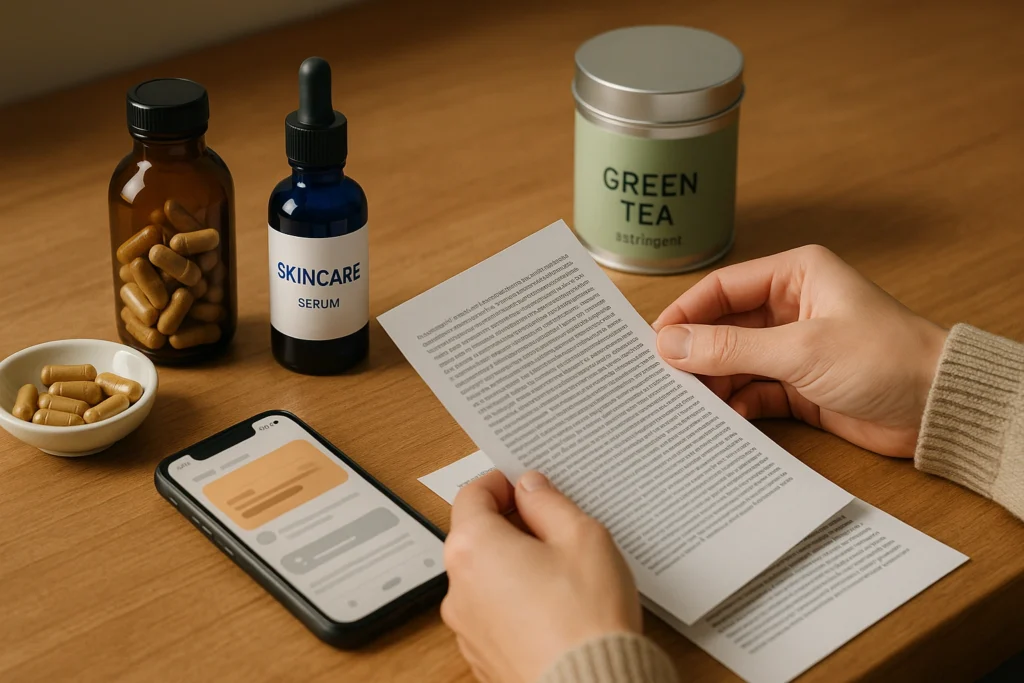
The internet has turned wellness into a global marketplace with a local price tag—your body. One minute you’re watching a “glow-up” reel, the next you’re considering imported collagen, a “clean” peptide serum, a hormone-friendly tea, or a fitness app designed on the other side of the world. The branding is soothing, the promises are bold, and the reviews sound like miracles.
But if the product is crossing borders, the safest first question is surprisingly unsexy: do you fully understand what the label and instructions actually mean? That’s where a reliable medical translation service becomes less of a business detail and more of a consumer safety issue.
Because in wellness, the vibe might sell the dream—but the fine print protects the person.
The new reality: wellness is global, but risk is personal
Modern wellness doesn’t stay in one place:
-
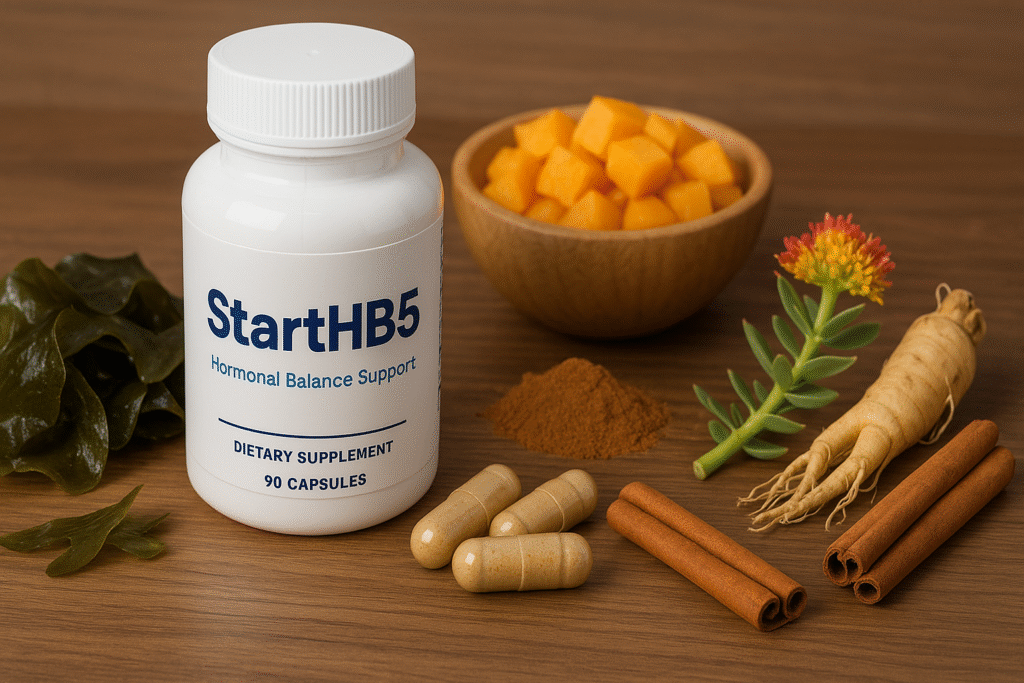
A supplement might be formulated in one country, manufactured in another, and marketed worldwide.
-
Skincare products often combine ingredients sourced internationally.
-
Digital coaching programs translate frameworks into multiple languages.
-
Fitness apps push the same instructions to bodies with different needs, cultural norms, and health expectations.
That global reach is exciting. It also makes accurate translation a frontline defense against confusion, misuse, and overhyped claims.
The hidden danger of vague or mistranslated claims
Wellness marketing leans heavily on soft, persuasive language:
-
“Supports balance”
-
“Promotes detox”
-
“Boosts immunity”
-
“Clinically inspired”
-
“Doctor recommended”
-
“Natural and safe”
Even in one language, these phrases can be fuzzy. In translation, that fuzziness can become outright misleading. A gentle suggestion might turn into a strong promise. A cautious statement can read like a medical guarantee.
And the consumer doesn’t see the behind-the-scenes shift—they just see a confident claim in their own language.
Where translation errors hit hardest
1. Ingredients that sound familiar but aren’t
Ingredients lists are not just a formality. They’re a risk map.
A translation error can cause:
-
a plant to be confused with a similar-sounding but different species
-
an allergen to be labeled unclearly
-
an active compound to be reduced to a generic name
-
a concentration detail to be lost
For example, a supplement might list an herb using a casual common name that means one thing in English and a slightly different plant in another language. To a casual buyer, it looks normal. To someone with allergies or chronic conditions, it can be a problem.
In skincare, this is equally serious. A mistranslated ingredient could lead users to assume a product is fragrance-free, alcohol-free, or gentle—when the formula says otherwise.
2. Contraindications and safety warnings
This is where translation becomes truly high-stakes.
If contraindications are unclear or overly simplified, people may:
-
use products during pregnancy when they shouldn’t
-
mix supplements that interact badly with medications
-
assume “wellness” equals “universal safety”
Small shifts in wording matter.
“Consult your doctor if you have a medical condition” is not the same as “safe for everyone.”
One is a safety signal. The other is a leap of faith.
3. Dosage and instructions
Dosage language is vulnerable to misunderstandings—especially across cultures and measurement habits.
Problems often include:
-
unclear timing (“once daily” vs “every 24 hours”)
-
imprecise measurement terms
-
confusing instructions for children vs adults
-
missing context about taking with food or water
A simple translation inconsistency can push someone into overuse. In supplements, that can mean side effects. In skincare, it can mean irritation, barrier damage, or worsening of existing conditions.
4. Digital wellness and fitness apps
Apps and online coaching programs scale fast. That’s the selling point—but it’s also the risk.
Translation issues in digital wellness can lead to:
-
unclear exercise technique guidance
-
misunderstood injury warnings
-
culturally mismatched nutrition instructions
-
emotional or mental health framing that becomes too absolute
A poorly translated message can feel like a clinical instruction, even if the original content was meant to be general lifestyle guidance.
Why AI-only translation can be risky here
AI translation is improving rapidly, and it’s helpful for many everyday tasks. But wellness isn’t just everyday content. It often sits close to medical territory.
The challenge is that AI can produce language that sounds fluent while missing:
-
precise medical terminology
-
dose-based nuance
-
regulatory tone
-
culturally appropriate safety language
So the sentence reads smoothly—but the meaning can drift.
In high-impact categories like supplements, contraindications, and clinical-style claims, human expertise is still essential.
The business side: translation is brand protection
Consumers benefit from clarity, but brands also have strong reasons to take translation seriously.
Accurate translation helps reduce:
-
misinterpretation-driven complaints
-
reputational damage
-
compliance and labeling issues
-
legal exposure
-
public backlash when claims appear exaggerated
Wellness brands succeed on trust. And trust can unravel quickly if customers discover that the translated version of a claim sounds stronger than the original.
The regulatory gray zone of wellness
One reason translation gets complicated is that wellness often lives in a legal and ethical gray area.
Depending on the country, regulators may treat:
-
supplements as food, health products, or near-medicines
-
skincare claims as cosmetic marketing or quasi-therapeutic language
-
coaching and apps as lifestyle content or health guidance
That means translation isn’t just linguistic—it’s also about correctly aligning with local expectations for safety, disclaimers, and consumer protection.
What smart consumers can check before buying
If you’re shopping internationally—or even buying a local product that’s translated from a different source—these quick checks help:
-
Are ingredients clearly named and specific?
-
Are warnings easy to spot and easy to understand?
-
Is dosage explained in practical, realistic terms?
-
Do the claims sound like vague marketing—or like medical promises?
-
Is the same information consistent across languages on the site and packaging?
When translation feels oddly confident, unusually brief, or too magical, pause.
What responsible brands do differently
Trustworthy wellness companies usually invest in:
-
standardized, accurate ingredient naming
-
clearly localized contraindications
-
consistent claims across ads, product pages, and packaging
-
professional review for safety-sensitive text
-
culturally aware instructions
And when content starts to overlap with medical interpretation—like pregnancy warnings, drug interactions, chronic condition cautions—brands often rely on specialists who understand health communication deeply.
That’s why working with a qualified medical translator is not just a nice-to-have. It can be the difference between a confident customer and a risky misunderstanding.
The bigger truth: wellness isn’t only about intention
People often assume good intentions equal safe outcomes. But wellness doesn’t work like that.
A product can be well-made and still be used incorrectly.
A formula can be beneficial and still cause harm if warnings are unclear.
A coaching program can be motivating and still trigger unhealthy behavior if translated too aggressively.
So we shouldn’t judge wellness content by aesthetics alone.
The “fine print mindset” that keeps you safer
Here’s a grounded way to approach online wellness:
If it affects your body, the language around it deserves your full attention.
That includes:
-
ingredients and their forms
-
dose timing and limits
-
warning language
-
who should avoid a product
-
what results are realistic
This mindset doesn’t ruin the fun of wellness. It makes it smarter.
Final thoughts
The global wellness boom has made self-care more accessible than ever. That’s a good thing. But easy access should never replace clear understanding.
When translation is accurate, consumers can make informed choices.
When it’s vague or careless, wellness becomes a guessing game disguised as self-improvement.
So yes—enjoy the aesthetics, the routines, the excitement of feeling better.
But trust the wellness that respects your body enough to get the words right.

Hi, I’m Bilal, the founder of outofmagazine.com. I love sharing fresh ideas, stories, and helpful insights on all kinds of topics that spark curiosity. My goal with this site is simple—to create a space where readers can find inspiration, useful tips, and engaging reads on lifestyle, trends, and everything in between.