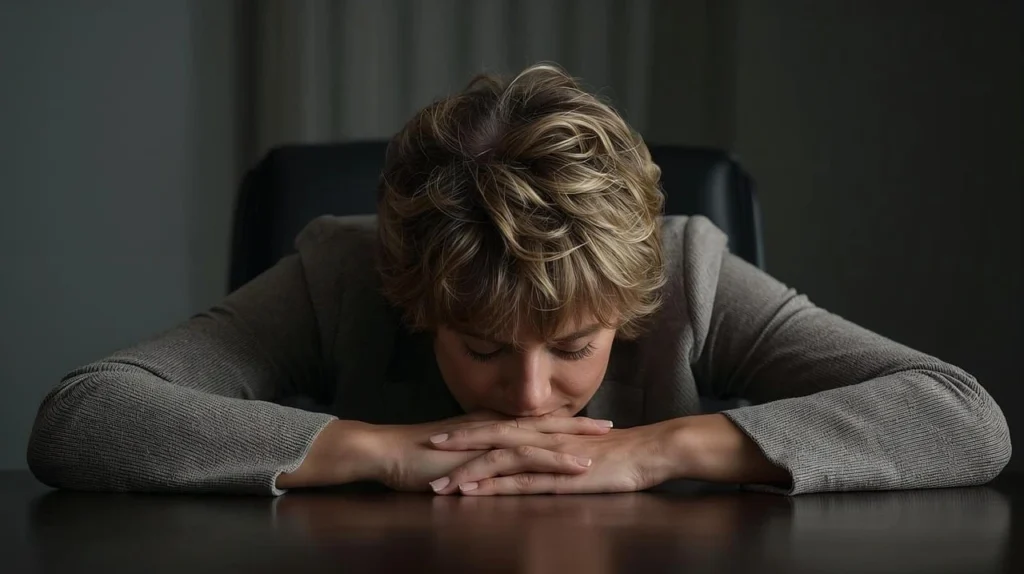
Stress is often thought of as something that lives only in the mind. We associate it with racing thoughts, anxiety, and emotional tension. In reality, stress is a full body experience. When pressure becomes part of everyday life, it leaves fingerprints not just on mood and focus but also on muscles, posture, digestion, sleep, and even the way we breathe. Many people walk around feeling tired, tight, or uncomfortable without realizing that stress is quietly shaping how their body feels.
Modern stress is different from the kind humans experienced in the past. It is not usually caused by physical danger but by deadlines, screens, social pressure, and constant stimulation. The body still reacts as if it is under threat. Muscles tighten, breathing becomes shallow, and the nervous system stays in a state of alertness. Over time, this constant state of readiness starts to change the way the body moves and rests.
This is why people who feel tense all the time often start wondering about things like what causes lower back stiffness even when they have not injured themselves. Stress can change how we hold our bodies, how we sit, and how we walk. Those subtle changes build up and can create discomfort that seems to come out of nowhere.
Stress and Muscle Tension
One of the most obvious ways stress shows up in the body is through muscle tension. When the brain senses pressure, it tells the muscles to prepare for action. The shoulders lift, the jaw tightens, and the back stiffens. This response is helpful in short bursts, but when stress becomes chronic, muscles stay partially contracted all the time.
Over days and weeks, this constant tension reduces blood flow to the muscles and makes them feel sore and fatigued. People often describe this as feeling tight or heavy, especially in the neck, shoulders, and lower back. Stretching may bring temporary relief, but if the underlying stress remains, the tension usually returns.
Breathing Changes Without You Noticing
Stress also affects how we breathe. Under pressure, breathing becomes quicker and more shallow. Instead of filling the lungs fully, many people begin to take short breaths high in the chest. This limits oxygen intake and keeps the nervous system in a more anxious state.
Poor breathing patterns can lead to dizziness, fatigue, and difficulty concentrating. They can also contribute to muscle tightness because the body does not get the oxygen it needs to relax and recover. Simply learning to slow down and breathe deeply into the belly can have a powerful calming effect on both the mind and the body.
Digestion and the Gut
The digestive system is another area where stress has a strong influence. When the body is in a state of alert, it diverts energy away from digestion. This can lead to bloating, discomfort, and changes in appetite.
Many people notice that they feel nauseous, overly full, or hungry when they are stressed. Over time, chronic stress can disrupt the balance of bacteria in the gut, which affects not only digestion but also immune function and even mood.
Sleep Disruptions
Stress and sleep are closely connected. When the mind is racing, it is harder to fall asleep and stay asleep. Even if you get enough hours in bed, stress can prevent deep, restorative sleep.
Lack of quality sleep then makes stress worse, creating a cycle that is hard to break. Poor sleep also slows physical recovery, making muscles feel stiffer and more sensitive. This is one reason people often wake up feeling sore or tense after a stressful day.
Posture and Body Language
Stress influences how we hold ourselves. People under pressure tend to hunch forward, raise their shoulders, and pull their head down. This posture sends signals back to the brain that reinforce feelings of tension and fatigue.
Over time, these posture changes can become habits. The muscles that support the spine adapt to this new position, which can lead to stiffness and discomfort. A simple habit like checking your posture during the day and gently straightening up can reduce some of this strain.
Headaches and Jaw Pain
Clenching the jaw and grinding the teeth are common stress responses. Many people do this without realizing it, especially during sleep. This can lead to headaches, facial pain, and neck tension.
Relaxing the jaw and becoming aware of clenching habits can reduce these symptoms. Gentle jaw stretches and mindfulness can also help release this hidden tension.
Skin and Hair Changes
Stress can even show up in the skin and hair. Breakouts, rashes, and hair thinning are often linked to prolonged stress. This happens because stress hormones affect blood flow, inflammation, and the way cells repair themselves.
While skincare and hair products can help, addressing the source of stress often leads to more lasting improvements.
Emotional Stress and Physical Sensations
Emotions and the body are deeply connected. Feelings like worry, frustration, and sadness do not just exist in the mind. They are felt in the chest, the stomach, and the muscles.
Some people feel a tight chest when they are anxious. Others feel a knot in their stomach when they are worried. Learning to notice these sensations can be the first step towards releasing them.
Simple Ways to Reduce the Physical Impact of Stress
While stress cannot be eliminated entirely, its effects on the body can be reduced. Small daily habits make a big difference. Regular movement, even gentle walking, helps release tension. Deep breathing calms the nervous system. Good sleep supports recovery.
Taking short breaks from screens, spending time outdoors, and connecting with others also help the body shift out of stress mode. Even a few minutes of quiet can give the nervous system a chance to reset.
Listening to Your Body
The body often signals stress before the mind does. Tight muscles, shallow breathing, digestive changes, and poor sleep are all messages that something is out of balance. Paying attention to these signs allows you to take action before discomfort turns into long-term issues.
Understanding how stress shows up in the body helps you respond with care rather than frustration. When you support your nervous system and give your body what it needs, you not only feel better physically but also gain greater emotional clarity and resilience.
Stress may be part of modern life, but suffering does not have to be. By recognizing its physical effects and making small adjustments, you can create a healthier and more comfortable relationship with your own body.

Hi, I’m Bilal, the founder of outofmagazine.com. I love sharing fresh ideas, stories, and helpful insights on all kinds of topics that spark curiosity. My goal with this site is simple—to create a space where readers can find inspiration, useful tips, and engaging reads on lifestyle, trends, and everything in between.