
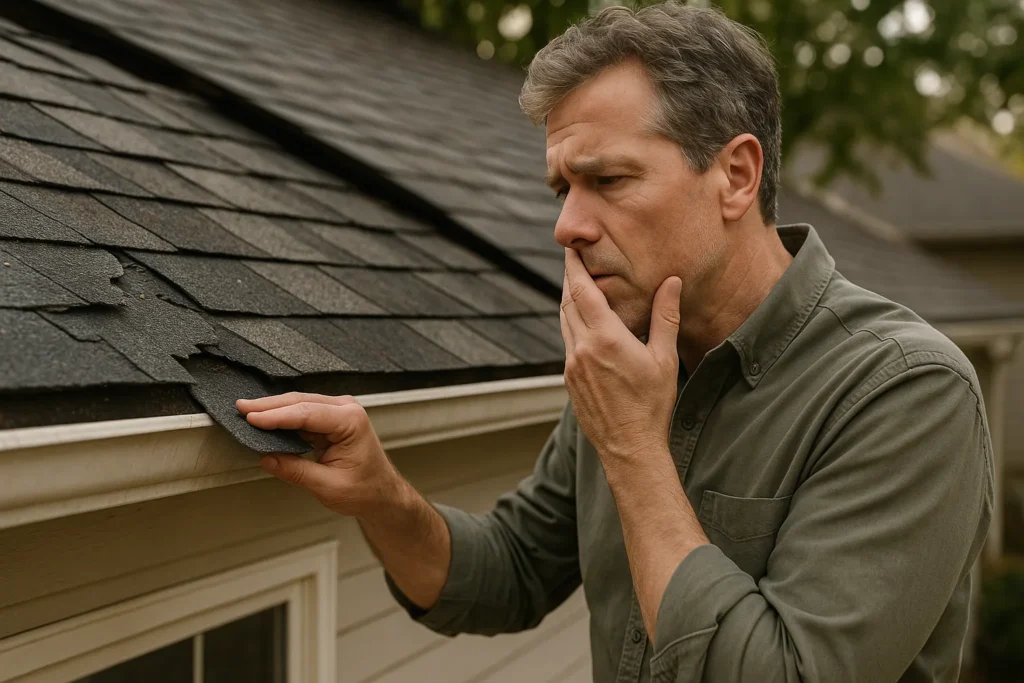
Most people only think about their roof during a storm or when a leak appears on the ceiling. The rest of the time, it quietly protects your home, your belongings, and your peace of mind. That is why professional help matters so much, and why homeowners exploring options on sites like http://www.619roofing.com/ are already a step ahead. Understanding what your roof is telling you can help you avoid sudden emergencies and expensive damage.
The Real Work Your Roof Does Every Single Day
Your roof is doing far more than just sitting on top of your house. It is defending your home from sun, rain, wind, and temperature swings that would quickly wear down anything less durable.
A Shield Against Weather And Wear
Every shingle, tile, or panel is part of a system. When everything is installed correctly, water flows away, heat is managed, and your attic can breathe properly. When that system starts to fail, moisture creeps in, wood begins to soften, and insulation loses its effectiveness.
Over time, small weaknesses spread. A cracked shingle here, a loose flashing there, and suddenly wind and rain have a way in. You may not notice it right away. The damage can stay hidden in the attic or behind walls for months or even years before it becomes obvious.
Why Waiting Usually Costs More
Many homeowners delay roof work because it feels like a huge project. The truth is that ignoring early warning signs often leads to bigger repairs and more stress. Water damage can affect electrical systems, drywall, flooring, and even your home’s structure. Addressing problems early tends to be cheaper and far less disruptive than dealing with a major failure later.
Early Warning Signs Your Roof Needs Help
Before you are dealing with buckets on the floor and towels everywhere, your roof will send you some signals. Learning to spot them can help you respond in time.
Clues You Can See From The Outside
You do not need to climb on the roof to notice many of the red flags. A simple walk around your home from the ground can tell you a lot. Look for:
- Shingles that are curling, cracked, or completely missing
- Dark patches that look different from the rest of the roof
- Granules from asphalt shingles piling up in your gutters or around downspouts
- Sagging areas along ridges or valleys
- Metal flashing that looks bent, rusted, or lifted
These issues do not always mean your roof is about to fail, but they usually indicate that the materials are aging or were damaged by storms or sun.
Indoor Signs You Should Not Ignore
Your ceiling and walls also reveal a lot about roof health. Keep an eye out for:
- Brown or yellow stains on ceilings or upper walls
- Peeling paint near the top edges of rooms
- A musty smell in the attic or upstairs closets
- Visible damp spots or insulation that feels wet in the attic
Any of these can point to moisture sneaking in where it should not. By the time water shows up inside, it has often been moving through the structure for a while.
Repair Or Replace: Making The Right Call
Hearing that your roof has issues can feel overwhelming, but not every problem means you need a full replacement. The key is understanding where your roof is in its life cycle and how widespread the damage is.
A trustworthy roofing professional will inspect the entire system, not just the most obvious problem area. They will check the surface, the decking underneath, the flashing, and the ventilation. Sometimes a targeted repair will keep your roof working well for several more years. Other times, replacing an old roof is actually the smarter and more cost effective decision in the long run.
When A Repair Makes Sense
Repairs are often a good option when:
- The roof is relatively new and was installed correctly
- Damage is limited to one area, for example after a fallen branch
- Most shingles or tiles are still in good shape
- There is no sign of widespread rot or structural damage
In these cases, fixing specific problem spots and reinforcing vulnerable areas can be enough.
When Replacement Is The Safer Choice
Full replacement is usually recommended when:
- The roof is near or past its expected lifespan
- There are issues in multiple areas rather than one isolated spot
- Leaks keep returning even after repeated repairs
- The decking or structure underneath is compromised
Although a new roof is a bigger investment up front, it can save you money over time through fewer repairs, lower risk of interior damage, and improved energy efficiency.
Choosing A Roofing Partner You Can Trust
Once you know work needs to be done, the next important decision is who will do it. The quality of the installation is just as important as the quality of the materials.
A solid roofing partner will start by listening. They will ask about your budget, your long term plans for the home, and any concerns you have. Then they will explain your options clearly, without pushing you toward the most expensive solution.
Look for professionals who:
- Provide detailed written estimates instead of vague quotes
- Are happy to show proof of licensing and insurance
- Take time to answer your questions in plain language
- Offer warranties on both materials and workmanship
- Respect your property and clean up properly after the job
Communication matters. If a contractor is difficult to reach or dismissive before the job starts, it usually does not get better later.
What To Expect During A Roofing Project
Knowing what will happen during the process can make everything feel more manageable. Even a large project follows a fairly predictable sequence.
First, the team will prepare the site by protecting landscaping, setting up safety equipment, and arranging where materials will be stored. Then comes the tear off phase if you are getting a new roof. Old materials are removed, and the bare decking is inspected. Any damaged wood is replaced so the new roof has a solid foundation.
After that, underlayment, flashing, and the new roofing material are installed according to the manufacturer’s guidelines. Ventilation components are checked or upgraded so your attic can breathe properly. Finally, there is a thorough cleanup and a final walkthrough so you can see the finished work and ask questions.
Extending The Life Of Your Roof With Simple Habits
Once your roof is in good condition, a few habits can help keep it that way. Consistent attention beats emergency panic every time.
Easy Maintenance Steps Homeowners Can Take
You do not have to be a contractor to help your roof last longer. You can:
- Clear leaves and debris from gutters so water can flow freely
- Trim branches that hang over the roof to reduce impact and shade moisture
- Check your attic every few months for dampness or strange smells
- Schedule professional inspections every couple of years or after major storms
These small efforts give you early warning when something is starting to go wrong, which gives you more options and usually reduces costs.
Listening To What Your Roof Is Telling You
Your roof rarely fails overnight. It sends hints, whispers, and sometimes loud warnings that something needs attention. The more comfortable you are reading those signals, the easier it becomes to protect your home instead of reacting to crises.
Partnering with experienced professionals, asking questions, and staying on top of simple maintenance can turn a stressful roof project into a smart, planned improvement. In the end, a strong, reliable roof is not just about shingles and nails. It is about peace of mind every time you walk through the front door, knowing the home beneath it is safe, dry, and ready for whatever the weather brings.

Hi, I’m Bilal, the founder of outofmagazine.com. I love sharing fresh ideas, stories, and helpful insights on all kinds of topics that spark curiosity. My goal with this site is simple—to create a space where readers can find inspiration, useful tips, and engaging reads on lifestyle, trends, and everything in between.